

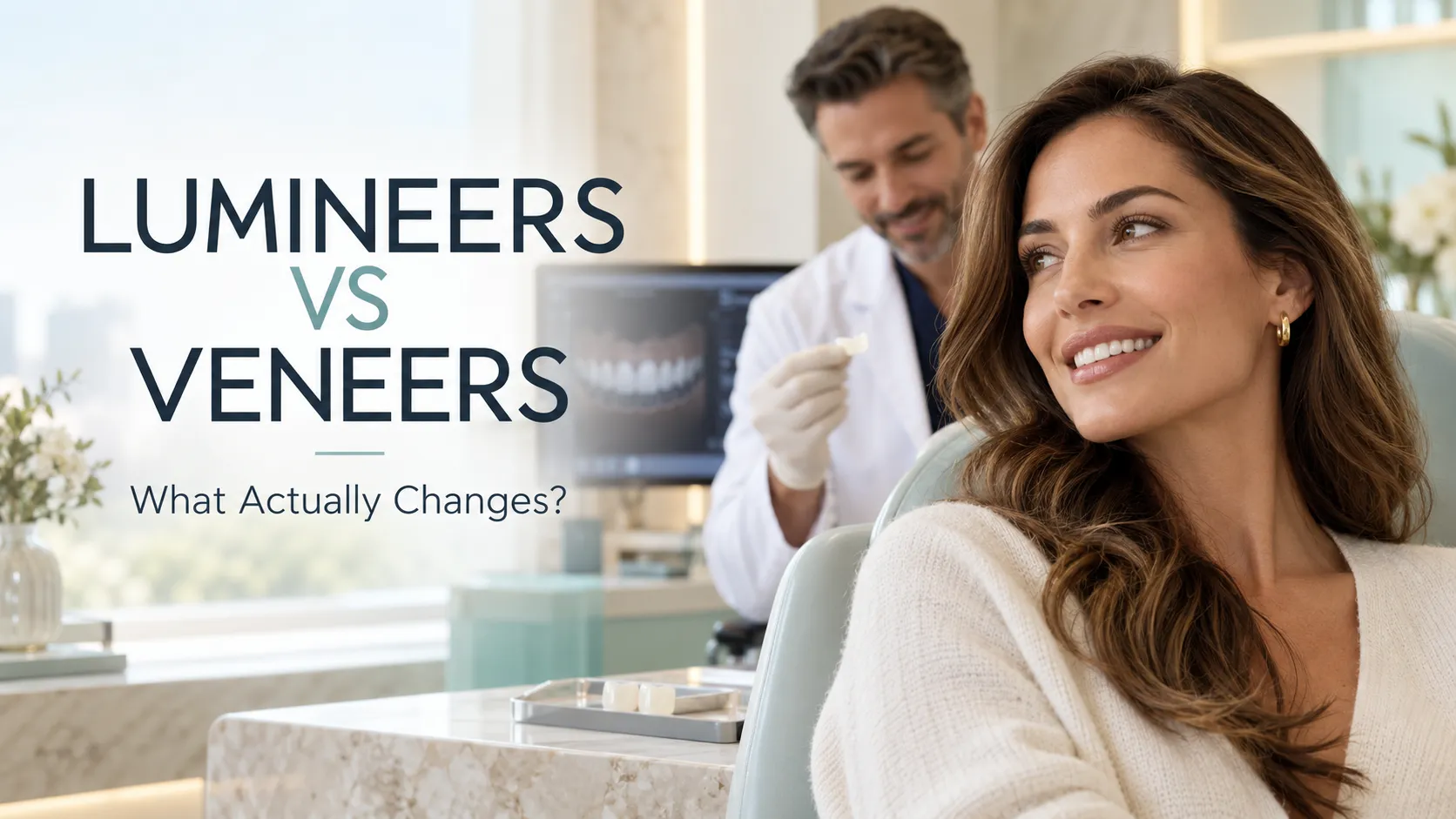
When comparing lumineers vs veneers, the biggest difference is not simply thickness. Lumineers are a branded type of thin ceramic veneer, while “veneers” is a broader category that includes many porcelain and composite designs. In lumineers vs veneers treatment, either option can change color, shape, and proportion, but planning and technique matter more than the label alone.
Table of Contents
Lumineers vs Veneers: The Quick Answer
Lumineers may make sense when a dentist can create the desired result with an ultra-thin ceramic restoration and limited tooth preparation. Traditional porcelain veneers may be more suitable when the treatment needs greater control over tooth position, color masking, shape, or surface contour. Neither option is automatically “better,” and neither should be selected only because one is advertised as no-prep.
The most useful lumineers vs veneers question is: how much space is needed for a natural-looking result on your specific teeth? If a veneer is added without enough room, the teeth may look bulky or the margins may be difficult to keep clean. If more enamel is removed than necessary, the treatment becomes more invasive. Good planning balances appearance with tooth preservation.
Our detailed Lumineers review explains the brand, expected limitations, common patient concerns, and why the final result depends heavily on diagnosis and clinical design.
What Are Lumineers?
Lumineers are a branded ceramic veneer system associated with very thin restorations and conservative preparation. They are bonded to the visible front surface of teeth by a dentist. Despite the common description “no-prep veneers,” some cases may still need enamel reshaping, edge adjustment, or other preparation to prevent excess bulk and create clean margins.
In a lumineers vs veneers consultation, a dentist should not promise a preparation-free procedure before examining the tooth position and proposed final contour. Teeth that already lean outward, have prominent contours, or need a major color change may require more space than an additive design allows.
In lumineers vs veneers treatment, Lumineers are permanent restorations in the practical sense: they are bonded in place and are not taken out at home. Even when little enamel is removed, replacement or removal still requires professional care.
What Are Traditional Veneers?
Traditional veneers are custom restorations that cover the visible front surface of a tooth. Porcelain veneers are made outside the mouth and bonded during a later appointment. Composite veneers are built directly on the tooth or fabricated indirectly, depending on the treatment plan.
For this lumineers vs veneers comparison, “traditional veneers” mainly means dentist-placed porcelain veneers. Their preparation can range from conservative enamel reduction to a more involved design. The amount varies with tooth alignment, discoloration, old fillings, desired shade, bite, and the thickness required by the selected ceramic.
In lumineers vs veneers planning, traditional porcelain designs can give the dentist and laboratory more control over opacity, translucency, texture, edge position, and tooth proportions. A conservative dentist should explain why each tooth needs its proposed preparation.
Lumineers vs Veneers Comparison Table
| Decision factor | Lumineers | Traditional porcelain veneers |
| Product type | Branded thin ceramic veneer system | Broad category of custom ceramic veneer designs |
| Placement | Bonded by a licensed dentist | Bonded by a licensed dentist |
| Preparation | Often minimal, but case-dependent | Varies from conservative to more involved |
| Thickness and contour | Designed for thin, often additive cases | Thickness selected for the planned shape and color |
| Color masking | May be limited in very dark or complex cases | More design freedom for opacity and masking |
| Reversibility | Do not assume reversible | Usually irreversible when enamel is removed |
| Best fit | Carefully selected cases needing modest changes | Cases needing broader control of shape, color, or position |
| Maintenance | Dental checks and possible future replacement | Dental checks and possible future replacement |
This lumineers vs veneers table describes typical patterns, not guarantees. A minimally prepared conventional veneer can preserve more enamel than a poorly planned “no-prep” case. Conversely, an appropriate thin ceramic design may achieve an excellent result without aggressive tooth reduction.
How Preparation Differs
Preparation is where lumineers vs veneers marketing can become misleading. “No drilling” sounds simple, but restorations still need room, a clean margin, and a path of placement. The final design must also allow normal flossing and avoid creating a ledge near the gumline.
When Minimal Preparation May Work
An additive or minimal-preparation design may work when teeth are slightly small, positioned inward, mildly spaced, or need a modest contour change. Healthy enamel is especially valuable because adhesive bonding to enamel is generally favorable. The dentist may still smooth a sharp edge or adjust a small area to improve fit.
When More Preparation May Be Needed
More preparation may be considered when teeth project outward, are crowded, contain large existing restorations, or require stronger masking of dark discoloration. The goal should be controlled reduction for a planned result, not automatically removing the same amount from every tooth.
Our guide to tooth shaving and preparation for veneers shows why preparation should be discussed tooth by tooth rather than described with one universal measurement.
Appearance and Natural-Looking Results
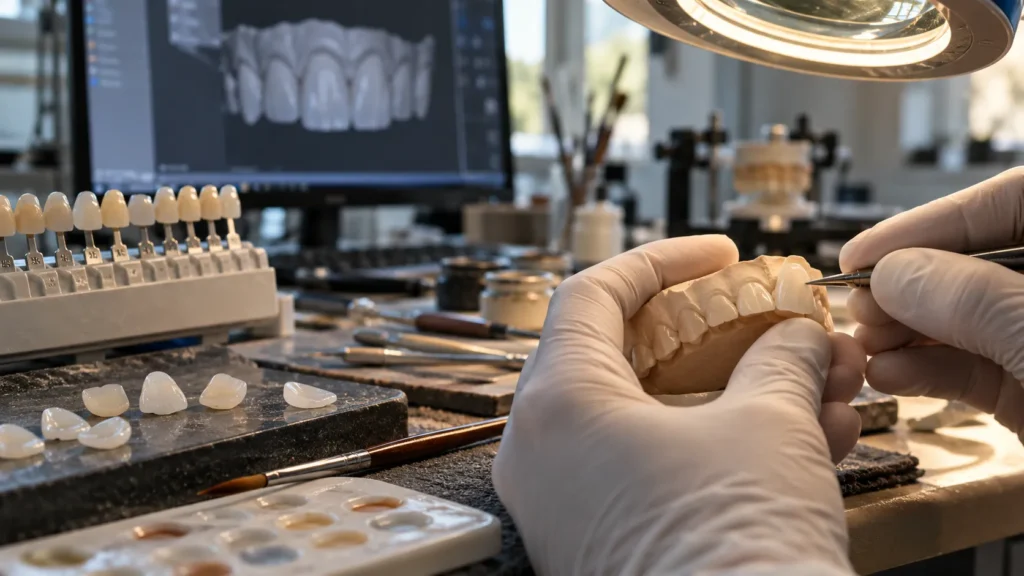
In lumineers vs veneers decisions, both options can look natural when the case is selected carefully. A believable smile includes varied translucency, surface texture, proportion, edge character, and a shade that works with the face. Very opaque, identical, or oversized teeth can look artificial regardless of the ceramic brand.
In lumineers vs veneers cases, thin ceramics can transmit more of the underlying tooth color. That may be an advantage when the natural tooth has a pleasing shade, but it can make difficult discoloration harder to conceal. Traditional designs may provide more space for opacity and internal characterization.
One-tooth cases are especially demanding because the restoration must match neighboring enamel under daylight, indoor lighting, and photography. Ask whether the dentist uses shade mapping, provisional mock-ups, try-in pastes, and close communication with the dental laboratory.
Durability, Repairs, and Maintenance
There is no single lifespan that applies to every lumineers vs veneers case. Ceramic veneers can chip, debond, fracture, develop margin discoloration, or require replacement. Results depend on remaining enamel, preparation design, bonding conditions, ceramic selection, tooth position, bite forces, habits, oral hygiene, and regular dental care.
In lumineers vs veneers cases, grinding, nail biting, chewing ice, opening packages with the teeth, and an edge-to-edge bite can raise the risk of damage. A nightguard may be recommended for some patients, but it does not make an unsuitable case safe. Active disease or uncontrolled grinding should be addressed first.
Repairs to ceramic are sometimes possible, but replacement may be more predictable when a larger area fractures or the margin fails. Before choosing lumineers vs veneers, ask what the practice charges for repairs, what the laboratory warranty covers, and what happens if a restoration needs replacement years later.
Cost and Long-Term Commitment
In lumineers vs veneers pricing, fees vary by location, dentist, laboratory, complexity, and the number of teeth treated. Comparing a bare “per tooth” number can therefore be misleading.
Insurance commonly treats elective veneers as cosmetic, so coverage may be limited or excluded. Request a written estimate that lists every planned tooth and service. Also budget for maintenance and eventual replacement rather than treating the first invoice as the complete lifetime cost.
The long-term commitment matters as much as price. In lumineers vs veneers planning, ask what your teeth are likely to need after the first restorations reach the end of service. A lower-preparation start may preserve options, but “minimal prep” does not mean “no future dentistry.”
Who May Be a Good Candidate?
In lumineers vs veneers screening, a possible candidate generally has healthy teeth and gums, adequate enamel for bonding, realistic expectations, and a stable bite. Treatment may be considered for selected stains, chips, worn edges, small gaps, uneven proportions, or surface defects.
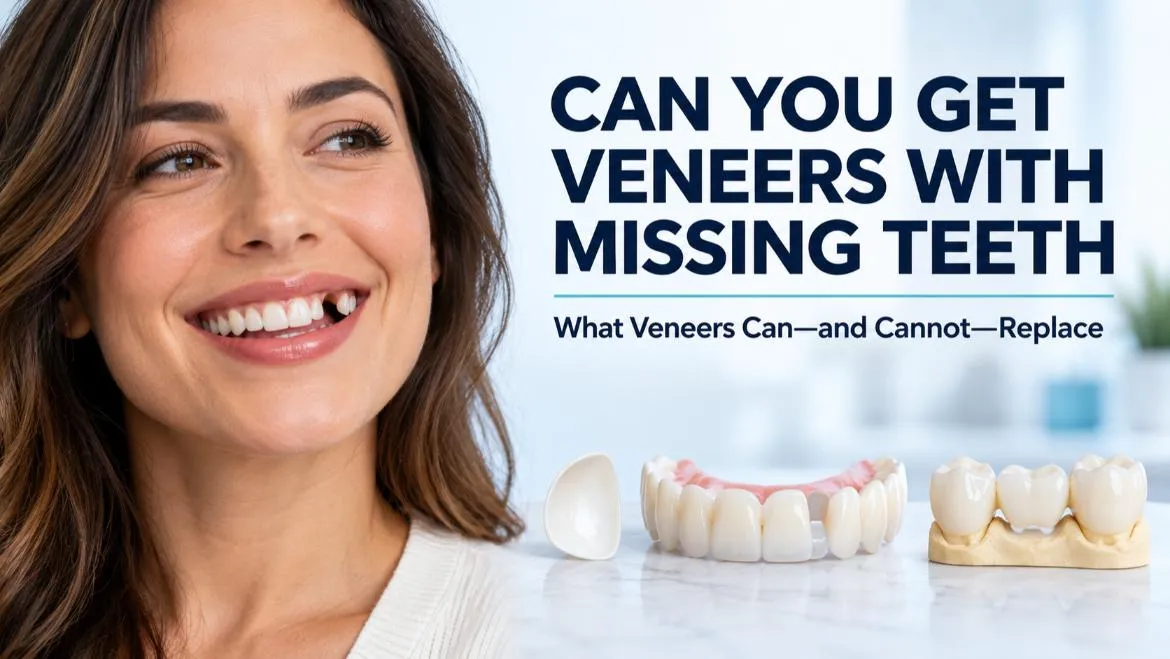
Someone may be a poor candidate when there is active decay, untreated gum disease, loose teeth, severe grinding, inadequate enamel, major structural damage, or an unfavorable bite. Orthodontics, whitening, bonding, a crown, or no treatment may preserve more healthy structure depending on the problem.
The lumineers vs veneers decision should begin with a diagnosis, not a product request. Ask the dentist to identify the concern on each tooth and explain why ceramic coverage is preferable to a smaller repair or another option.
Removable Alternatives to Lumineers and Veneers
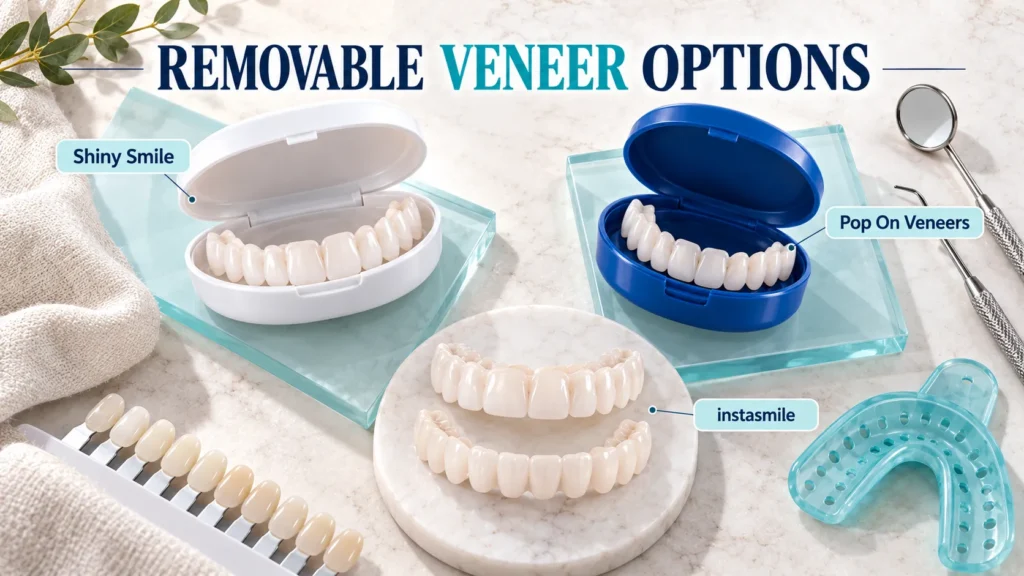
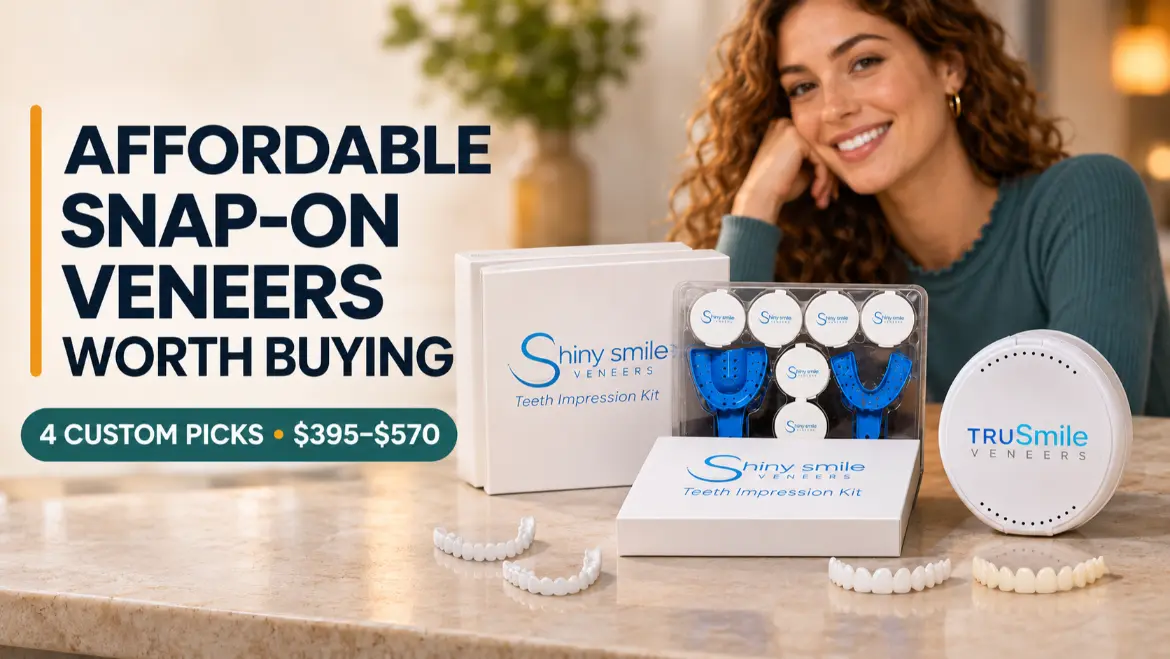
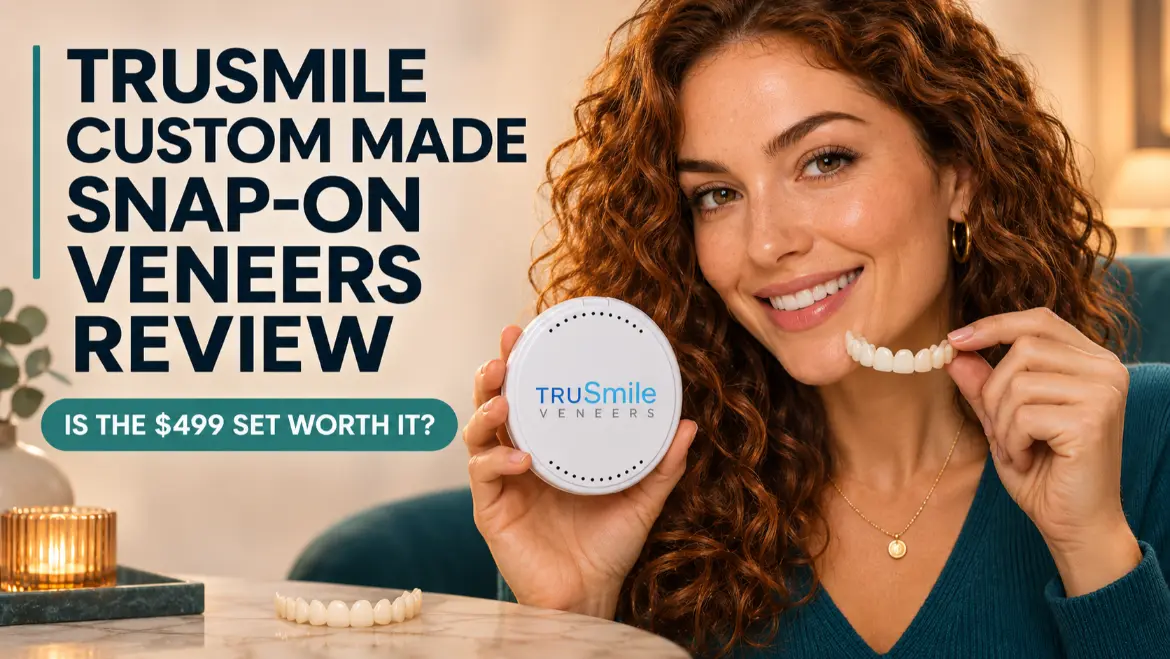
Some readers comparing lumineers vs veneers are not ready for bonded ceramic treatment. Custom removable veneers are a different category: they clip over existing teeth for cosmetic coverage and can be taken out by the wearer. They do not change tooth position, treat decay, replace missing teeth medically, or provide the same fit and appearance as individually bonded ceramic restorations.
Removable products can be worth considering for temporary cosmetic use, budget reasons, events, or for someone who wants to preview a different smile without immediately altering enamel. They can also add thickness, affect speech, trap debris if not cleaned carefully, or be unsuitable for certain dental profiles. Pain, swelling, bleeding, loose dental work, or suspected disease requires a dentist—not a cosmetic cover.
Shiny Smile Veneers: Best for a Straightforward At-Home Process
Shiny Smile sells custom removable veneers made from impressions taken at home. The company currently offers single-arch and top-and-bottom configurations, three shades, impression guidance, and remake provisions under its published terms. This may appeal to buyers who want a familiar at-home process and a choice between one or both arches.
Before ordering from Shiny Smile Veneers, check current eligibility requirements, production timing, warranty exclusions, refund conditions, and food guidance. The finished appliance is cosmetic and removable; it is not a substitute for Lumineers, restorative dentistry, orthodontics, dentures, or implants.
Pop On Veneers: Best for Remake Support and a Custom Design Process
Pop On Veneers uses at-home impression molds and smile photos to create a custom removable appliance. Its official process describes digital design combined with technician finishing, and its current promise includes up to two remakes for fit issues under stated conditions. Standard production is advertised after accepted impressions, with faster processing sometimes available.
Review the latest terms on Pop On Veneers before purchasing because promotions, timelines, and protections can change. Buyers should also confirm candidacy and understand that a custom removable smile remains a cosmetic accessory rather than a bonded dental restoration.
For a deeper side-by-side breakdown, our Shiny Smile Veneers vs Pop On Veneers comparison examines differences in process, buyer protections, fit expectations, and ongoing support.
instasmile: Best for Structured Suitability Screening
instasmile uses an online assessment, photographs, and mailed impressions to determine suitability and make a custom removable product. Its published U.S. process emphasizes photo approval before impressions are returned, several shade choices, and production after the company accepts the impressions. That extra screening structure may help buyers understand whether their dental profile fits the product’s limitations.
Check the current assessment, suitability policy, manufacturing timeline, and warranty terms directly at instasmile. As with the other brands, the appliance covers the appearance of teeth; it does not repair disease or create the same individualized tooth-by-tooth result as bonded ceramic veneers.
How to Choose Between the Options

Start by deciding whether you want a dentist-applied restoration or a removable cosmetic product. If you want a long-term, tooth-by-tooth change in shape, color, and surface, a clinical evaluation for Lumineers or another veneer design is the relevant path. If you want temporary coverage that you can remove yourself, compare custom removable brands and their suitability rules.
For a lumineers vs veneers consultation, bring photographs of smiles you like but focus on specific features rather than asking for a celebrity copy. Discuss tooth width, edge position, shade, translucency, gum display, and how many teeth need treatment. A mock-up can reveal whether the proposed result looks natural before irreversible changes are made.
Ask these questions before deciding:
- What problem are we correcting on each tooth?
- How much enamel will be removed, and why?
- Can I preview the proposed shape with a mock-up?
- How will my bite and grinding habits affect the result?
- What alternatives preserve more natural tooth structure?
- What maintenance, repair, and replacement costs should I expect?
- If I choose a removable product, am I suitable based on my current oral health?
Our guide to whether veneers are permanent explains why a bonded restoration and a removable cosmetic appliance create very different long-term commitments.
Frequently Asked Questions
Are Lumineers better than regular veneers?
Not universally. Lumineers may be useful for carefully selected cases needing a thin, conservative restoration. Traditional veneers may provide more control when teeth need significant color masking, contour change, or repositioning in the final design. The better choice depends on enamel, tooth position, bite, goals, and the dentist’s plan.
Are Lumineers really no-prep?
Some cases may need little or no reduction, but “no-prep” should not be promised before examination and design. Minor reshaping may still be needed to avoid bulky contours, improve margins, or create a suitable path of placement.
Which looks more natural in lumineers vs veneers?
Either can look natural. The result depends on case selection, ceramic properties, underlying tooth color, laboratory artistry, tooth proportions, surface texture, and the dentist’s technique. A brand name alone does not guarantee a lifelike result.
Can Lumineers be removed later?
They can be professionally removed, but that does not guarantee the tooth will return unchanged. The result depends on whether enamel was prepared, the bonding process, and the removal procedure. Do not assume bonded veneers are simply reversible.
Are removable veneers the same as Lumineers?
No. Lumineers are ceramic restorations bonded to individual teeth by a dentist. Removable veneers are cosmetic appliances that cover multiple teeth and can be taken out at home. They differ in purpose, fit, materials, maintenance, and clinical commitment.
Can I wear removable veneers over unhealthy teeth?
You should not use a cosmetic cover to hide pain, swelling, bleeding, loose teeth, active decay, or suspected infection. Seek a dental examination first. Covering a problem can delay treatment and make cleaning more difficult.
Bottom Line
The central lumineers vs veneers decision is not whether one name sounds more advanced. It is whether the planned ceramic design creates a natural result while preserving as much healthy tooth structure as reasonably possible. Lumineers may suit selected additive or minimal-preparation cases, while traditional porcelain veneers may offer more control for complex color and contour changes.
If you are not ready for bonded treatment, Shiny Smile, Pop On Veneers, and instasmile are removable options worth researching—but they belong to a different product category and should be judged by fit, suitability, policies, care requirements, and realistic expectations. Choose only after understanding the commitment and addressing any oral-health problems with a licensed dentist.
This article contains affiliate links. If you purchase through our links, we may earn a commission at no extra cost to you. We only recommend products we genuinely believe in. Read our Affiliate Disclaimer for full details.