
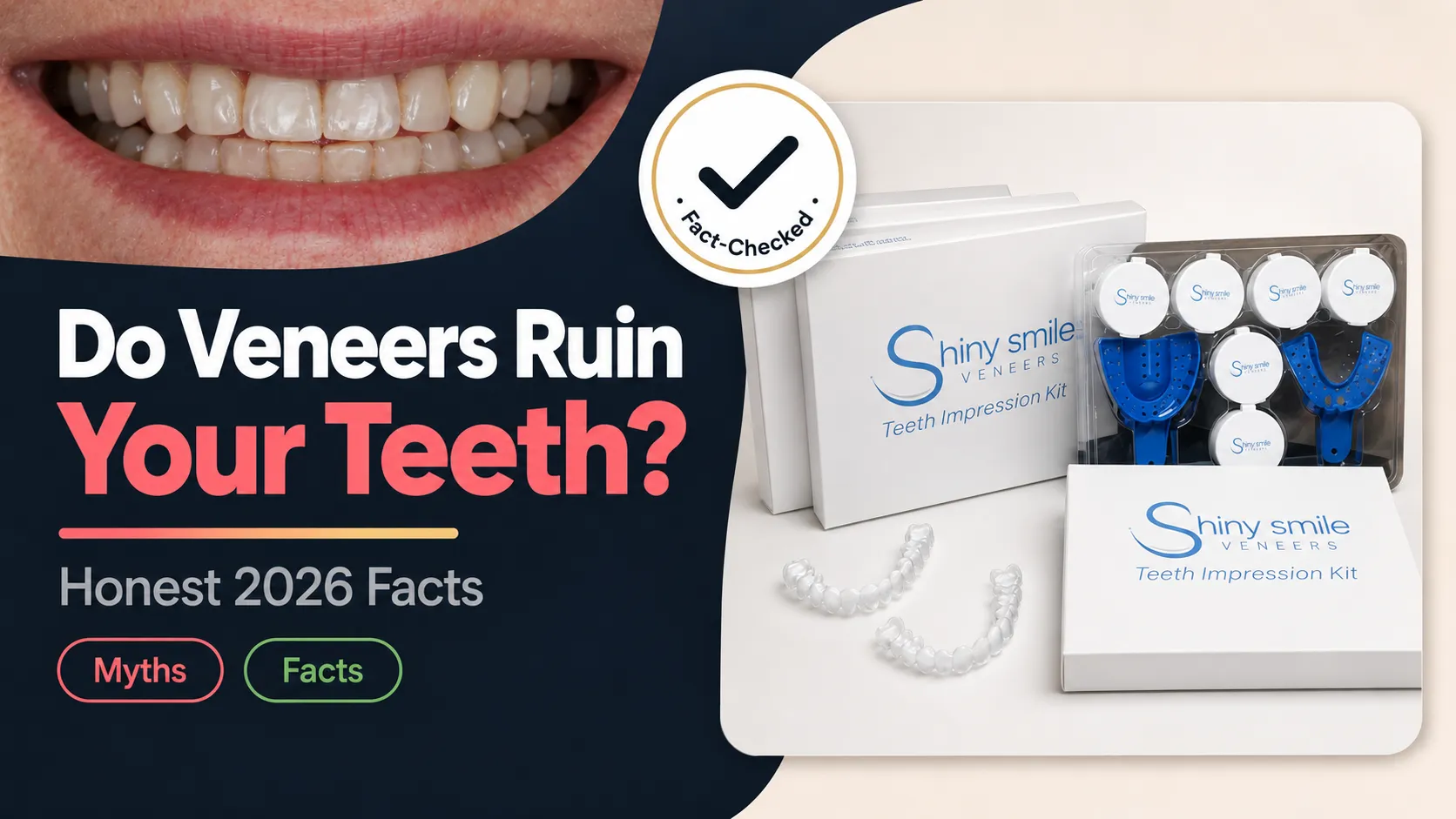
Properly planned veneers do not automatically ruin teeth, but conventional treatment may permanently alter enamel. Problems are more likely when decay or gum disease goes untreated, veneers fit poorly, oral hygiene declines, or grinding places excessive force on them. Patients should understand both the cosmetic benefit and the continuing maintenance commitment before choosing permanent treatment.
Table of Contents
We’re breaking down what actually happens to your enamel, when veneers cause real problems, and when they don’t, using facts from licensed dentists and established dental sources instead of comment-section anecdotes.
By the end, you’ll know exactly what you’re signing up for, whether you choose porcelain, composite, or a reversible removable option instead.
Quick Answer: Do Veneers Ruin Your Teeth?
No, not when a licensed dentist places them correctly. Veneers do require removing a thin layer of enamel, and that step is permanent, but permanent isn’t the same as damaging.
Once bonded, a veneer actually covers and protects the tooth underneath from stains and everyday wear, rather than leaving it exposed or weakened.
Problems do happen, but they’re almost always tied to poor technique, bad hygiene, or an unqualified provider, not to the treatment itself.
Why This Fear Is So Common
A quick search for do veneers ruin your teeth turns up plenty of dramatic before-and-after stories, and it’s easy to see why the fear sticks.
Enamel removal sounds alarming out of context. Nobody loves hearing that a dentist will “shave” their teeth, even when the amount removed is thinner than a fingernail and done under local anesthesia.
Most of the scarier stories online involve unlicensed providers, veneers done abroad without proper follow-up, or patients who ignored hygiene afterward, not a flaw in the treatment itself.
What Happens to Your Teeth Before Veneers Go On
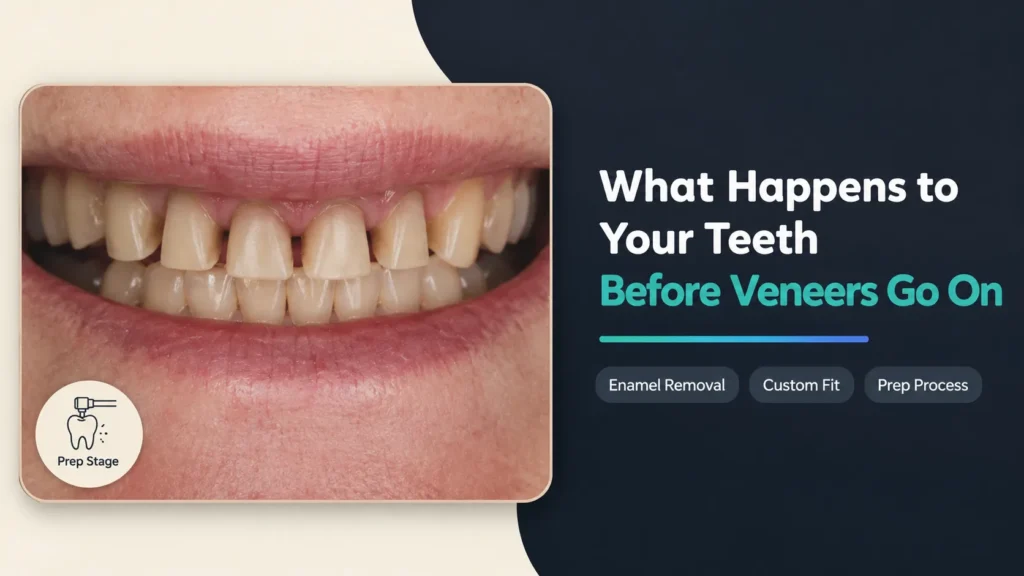
According to the Cleveland Clinic, veneers are thin custom shells bonded to the front surface of a tooth to correct color, shape, gaps, or minor misalignment.
To make room for that shell, your dentist typically removes about 0.5 millimeters of enamel, roughly the thickness of a fingernail. Without that step, the tooth would look bulky and unnatural once the veneer is bonded on top.
This is the step people picture when they worry about veneers ruining teeth, and it’s worth understanding clearly before you commit.
Do Veneers Damage Natural Teeth? What Enamel Removal Really Means
Do veneers damage natural teeth just by requiring this preparation step? Not in the way most people fear. Removing a small, controlled layer of enamel isn’t the same as damaging the tooth’s health or function.
Enamel doesn’t grow back once it’s gone, so this part of the process is genuinely irreversible. But irreversible and harmful are two different things. The tooth underneath stays vital and functional; it simply always needs a covering afterward.
Dentists compare this to how a crown works: your tooth changes shape permanently, but it doesn’t stop being a healthy, working tooth.
Do Veneers Damage Teeth Long-Term, or Protect Them?
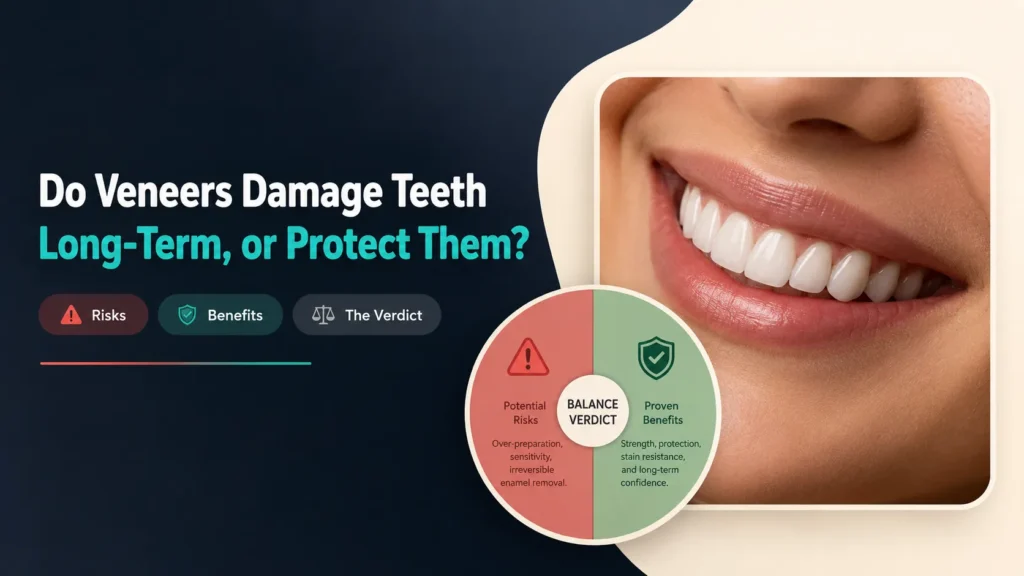
This is where the myth really falls apart. Do veneers damage teeth over years of wear, or do they actually help? For most patients, a well-placed veneer acts as a shield.
Porcelain resists staining far better than natural enamel, and it covers the front surface from the everyday wear that coffee, wine, and minor grinding cause. Many dentists note that worn or chipped teeth often look and function better once a veneer is in place, not worse.
So do veneers damage teeth simply by existing on top of them? The evidence points the other way: a bonded veneer generally reduces the daily wear your natural tooth surface would otherwise absorb.
With proper care, porcelain veneers typically last 10 to 15 years, and the tooth structure underneath a well-maintained veneer generally stays stable throughout that entire span.
Do Composite Veneers Ruin Your Teeth? How They Compare to Porcelain
Do composite veneers ruin your teeth any more than porcelain does? Generally, they’re the gentler option, not the riskier one.
Composite veneers use a tooth-colored resin, and dentists can often apply them with minimal to no enamel removal, especially for small cosmetic fixes like a single chip or gap.
The tradeoff is durability. Composite veneers typically last 5 to 7 years, shorter than porcelain, and they stain and wear a bit faster. That’s a maintenance difference, not a damage difference.
When Veneers Actually Do Cause Problems
The cases where veneers genuinely hurt a tooth almost always trace back to one of three causes, and none of them are the veneer material itself.
Poor Fit or Inexperienced Placement
A veneer that’s improperly shaped, over-contoured, or bonded with a weak seal can irritate gums or trap bacteria at the edges, leading to decay underneath. This is a technique problem, not a design flaw in veneers as a treatment.
Neglected Oral Hygiene
Veneers don’t excuse you from brushing and flossing. Skipping regular care lets plaque build up right at the margin where the veneer meets your gum, which is exactly where decay tends to start.
Teeth Grinding and Untreated Bite Issues
If you grind your teeth at night or have an unaddressed bite problem, that same force that once wore down your natural teeth can chip or loosen a veneer. A night guard, prescribed after evaluation, usually solves this.
Do Veneers Ruin Your Natural Teeth If You Ever Remove Them?
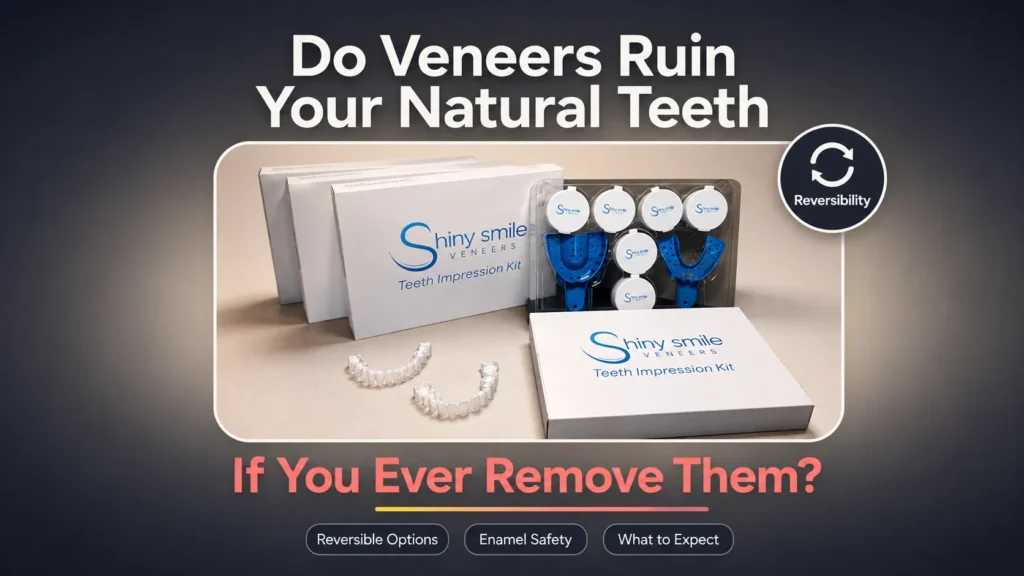
Do veneers ruin your natural teeth permanently if you decide you don’t want them anymore someday? This is the part people find hardest to accept: you can’t simply remove a veneer and go back to your original tooth.
Because enamel doesn’t regenerate, a tooth that’s been prepared for a veneer will always need some kind of restoration going forward, whether that’s a replacement veneer, a crown, or bonding.
This is exactly why dentists recommend a real consultation before committing, and why minimal-prep or no-prep veneers exist for people who want a lighter-touch option.
Porcelain vs. No-Prep Veneers: Which Protects More Enamel?
No-prep and minimal-prep veneers remove little to no enamel, making them the closest thing to a reversible option among bonded veneers.
They aren’t right for every tooth, though. Dentists typically reserve them for smaller cosmetic corrections, since they can look bulkier on teeth that need more significant reshaping.
If permanence is your main concern, our comparison of veneers versus crowns on front teeth is a useful next stop, since crowns involve even more tooth reduction than most veneers do.
How to Protect Your Natural Teeth With Veneers
- Choose a licensed, experienced cosmetic dentist rather than the cheapest option you can find
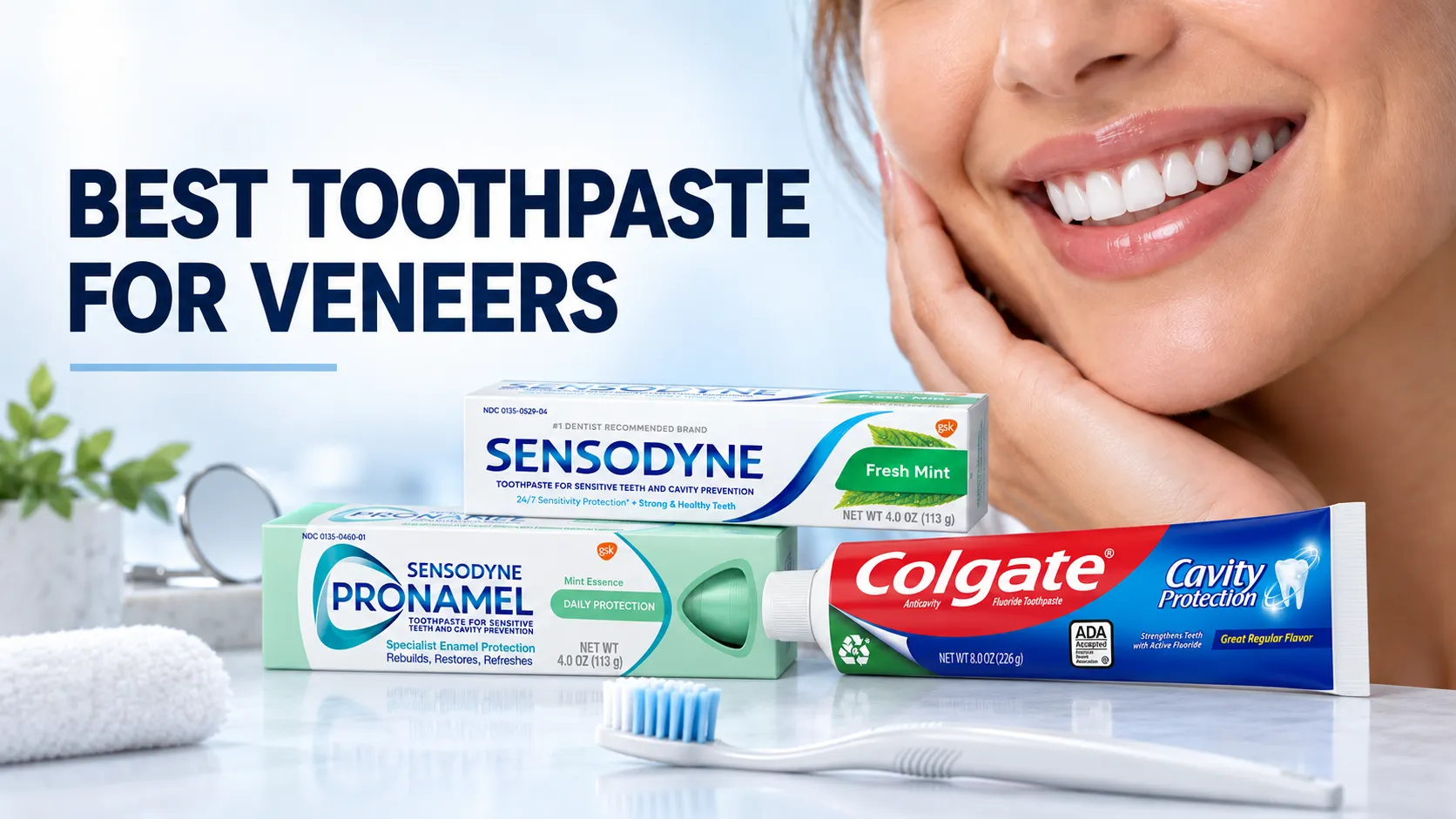
- Brush twice daily with a soft brush and non-abrasive, fluoride toothpaste
- Floss daily, paying attention to the edge where the veneer meets your gum
- Wear a night guard if you grind your teeth
- Keep up with regular dental checkups so small issues get caught early
The American Dental Association echoes this same guidance: veneers require the same daily hygiene as natural teeth, not a special routine, just a consistent one.
A Lower-Commitment Alternative Worth Knowing
If the permanence of bonded veneers is what’s giving you pause, it’s worth knowing that not every veneer option involves enamel removal at all.
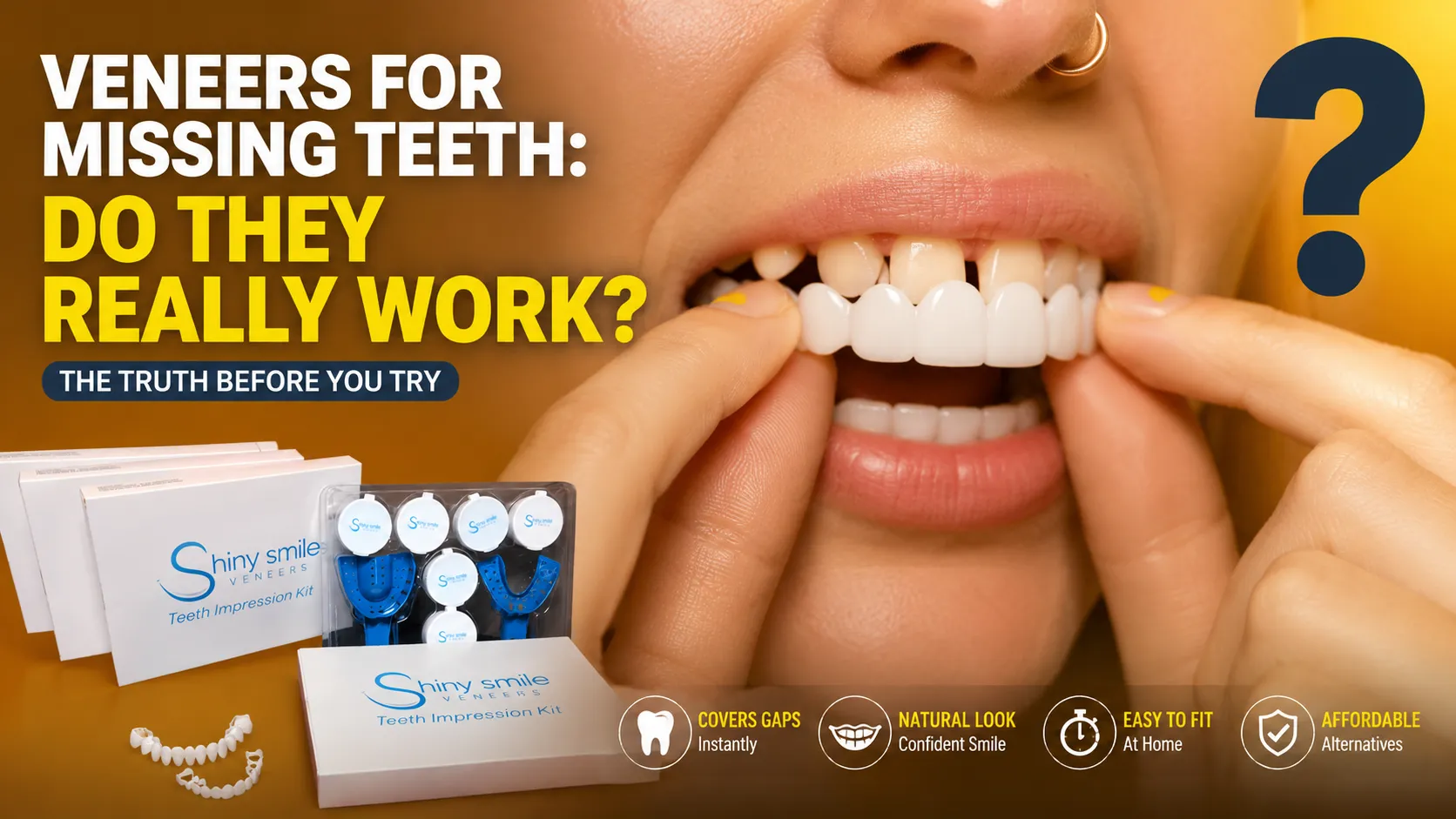
Removable, custom-fit options like Shiny Smile Veneers snap over your existing teeth with zero enamel removal, so there’s nothing irreversible to worry about. They’re a genuinely reversible way to test a whiter, more even smile before deciding whether permanent veneers are worth it.
They also won’t answer whether you can eat normally while wearing them, so it’s worth reading our breakdown of what you can and cannot eat with veneers before you decide which route fits your lifestyle.
Final Verdict: Do Veneers Ruin Your Teeth?
Do veneers ruin your teeth? For the vast majority of patients treated by a qualified dentist, the honest answer is no. What happens is a small, controlled, permanent change, not damage.
The real risk factors are avoidable ones: an inexperienced provider, poor hygiene, or an untreated grinding habit. Address those, and veneers tend to protect your smile rather than harm it.
Frequently Asked Questions
Do veneers ruin your teeth?
No, not when placed correctly by a licensed dentist. A thin layer of enamel is removed permanently, but this doesn’t damage or weaken the tooth’s health.
Do veneers damage natural teeth over time?
Not typically. Porcelain veneers often protect the tooth underneath from stains and wear. Damage usually stems from poor hygiene or an inexperienced provider, not the veneer itself.
Do composite veneers ruin your teeth more than porcelain?
No. Composite veneers often require less enamel removal than porcelain. They just don’t last as long, typically 5 to 7 years versus 10 to 15 for porcelain.
Is enamel removal for veneers reversible?
No. Enamel doesn’t regenerate once removed. A tooth prepared for a veneer will always need some form of restoration going forward.
Can veneers cause tooth decay?
Yes, but only if oral hygiene slips. Plaque can build up at the edge where a veneer meets the gum, so daily brushing and flossing still matter.
Do veneers ruin your natural teeth if you grind at night?
Grinding can chip or loosen veneers just as it wears down natural teeth. A dentist-prescribed night guard usually prevents this from becoming a problem.
Can I avoid enamel removal entirely?
Minimal-prep or no-prep veneers remove little to no enamel, though they aren’t suitable for every tooth. Removable, snap-on veneers avoid enamel removal completely.
Do veneers weaken your teeth?
No. A properly bonded veneer typically adds a protective layer over the tooth rather than weakening it, as long as the underlying tooth is healthy to begin with.
How long do veneers last before needing replacement?
Porcelain veneers generally last 10 to 15 years with good care, sometimes longer. Composite veneers usually need replacement after 5 to 7 years.
Are veneers safe for everyone?
Not always. People with untreated decay, active gum disease, or very thin enamel may need those issues addressed first, or may be better suited to a different option.
Final Thoughts
Do veneers ruin your teeth? The internet’s favorite scare story doesn’t hold up against what dentists and enamel science actually show. The process is permanent, but permanent isn’t the same as harmful.
Choose an experienced provider, keep up your oral hygiene, and address any grinding habit early, and your veneers are far more likely to protect your smile for the next decade than damage it.
If you’re still weighing permanence against convenience, a removable option is a reasonable way to test the waters before making any irreversible decision.
This article contains affiliate links. If you purchase through our links, we may earn a commission at no extra cost to you. We only recommend products we genuinely believe in. Read our Affiliate Disclaimer for full details.