
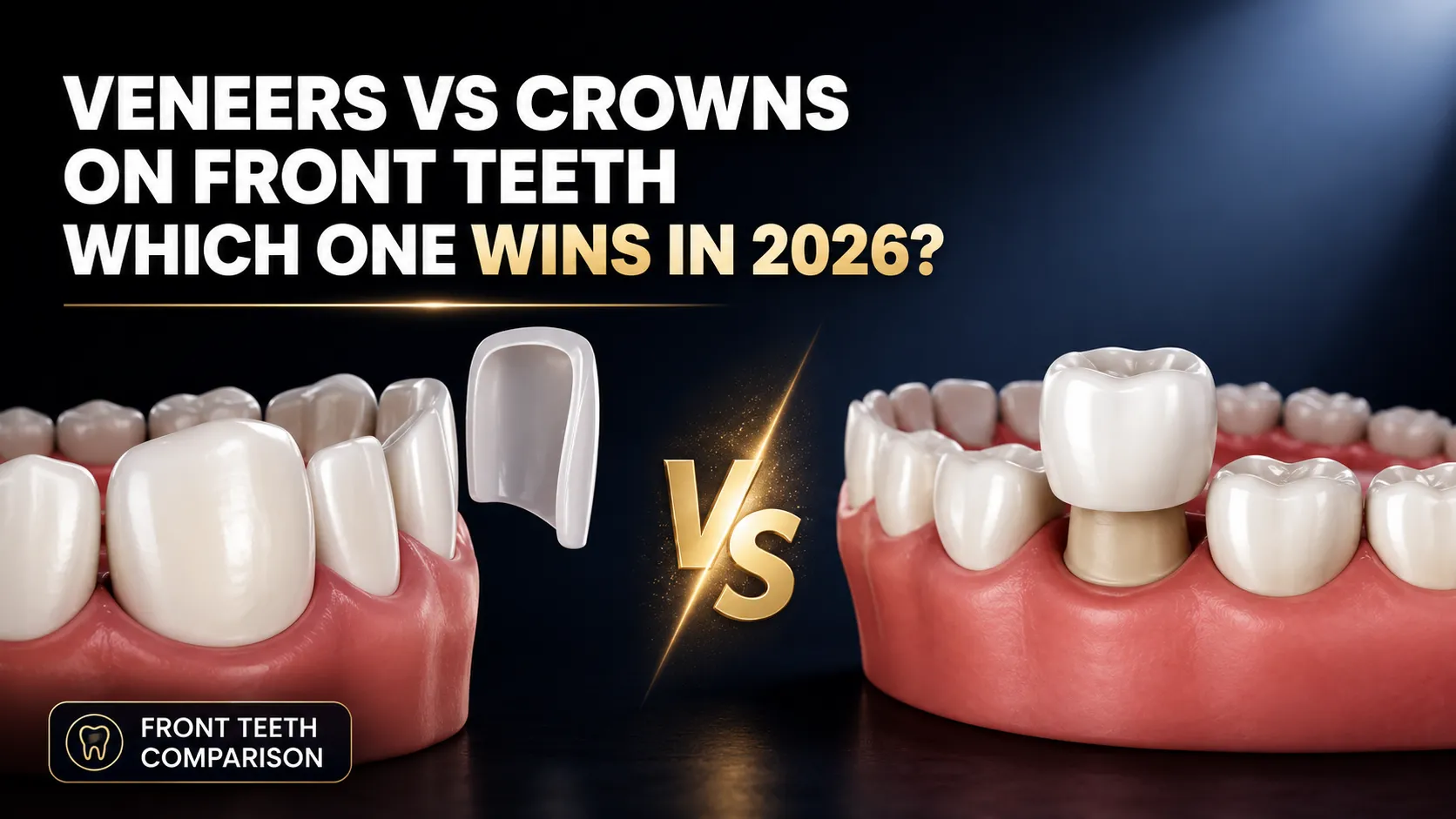
The amount of healthy tooth structure often determines whether a veneer or crown is more appropriate. A veneer mainly covers the visible front surface, while a crown surrounds most of the tooth and may be selected when greater structural coverage is needed. Choosing solely by appearance or price can overlook the condition that treatment must address.
Table of Contents
This guide walks through veneers vs crowns on front teeth before and after real cases, using facts from the American Dental Association and Cleveland Clinic instead of guesswork. No fear tactics, no filler, just what actually happens to your teeth and your wallet.
What Are Veneers and What Are Crowns?
Before comparing veneers vs crowns, it helps to know what each one actually is. Think of it like home renovation: one option resurfaces the front of the house, the other rebuilds the whole structure from the studs out.
Dental Veneers, Explained
Veneers are thin shells, usually porcelain or composite resin, bonded only to the front surface of a tooth. The ADA’s MouthHealthy resource describes veneers as custom-made coverings that improve appearance and address concerns like discoloration, chips, and gaps, without touching the back or sides of the tooth.
Dental Crowns, Explained
A crown, sometimes called a cap, wraps around the entire visible portion of a tooth rather than just the front. According to the ADA, dentists recommend crowns to strengthen a tooth with a large filling, protect a cracked tooth, or restore one that is already broken or badly discolored.
Veneers vs Crowns On Front Teeth: Pros and Cons
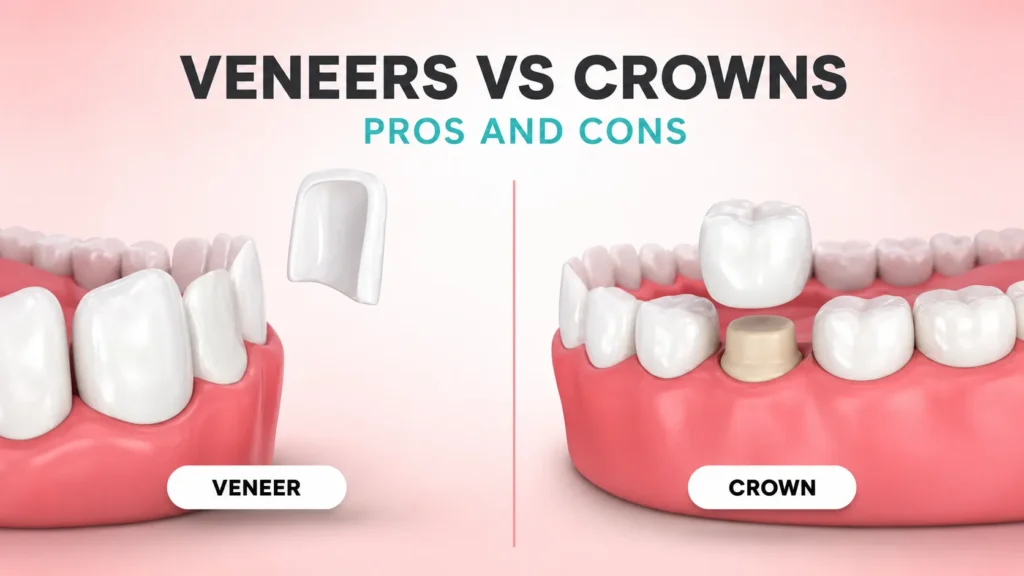
Every honest veneers vs crowns on front teeth pros and cons list comes down to one trade-off: how much natural tooth are you willing to give up, and what problem are you actually trying to solve?
Veneers: The Pros and Cons
Veneers remove less enamel, mimic the way light passes through real teeth, and usually finish in fewer visits. That’s the upside of the veneers vs crowns on front teeth pros and cons debate for anyone chasing a purely cosmetic fix on an otherwise healthy tooth.
The downside: veneers need a decent amount of healthy enamel underneath to bond to, they’re a poor fit for teeth with large fillings or heavy grinding habits, and insurance rarely covers them since they’re considered elective. Our guide on whether insurance covers veneers breaks down what plans actually pay.
Crowns: The Pros and Cons
Crowns win when a tooth is structurally compromised. They protect what remains of a cracked or root-canaled tooth and restore full chewing strength, something a thin veneer shell was never built to handle.
On the flip side, crowns remove more tooth structure, often cost more per tooth, and once that enamel is gone, you cannot simply switch back to a veneer later without additional restorative work.
Do Veneers or Crowns Require More Tooth Reduction?
This is where the two options really split. Veneers typically need a thin layer of enamel removed from the front surface only, often compared to the thickness of a fingernail. Crowns require reshaping the entire tooth on all sides to make room for full coverage, which removes noticeably more tooth structure. Less removal with veneers keeps more of the tooth’s nerve protected over the long run, while a crown trades some of that structure for maximum strength.
Veneers vs Crowns Cost: What You’ll Actually Pay
Veneers vs crowns cost comparisons vary by location, material, and the dentist doing the work, so treat any number online as a ballpark rather than a quote. Traditional porcelain veneers commonly run several hundred to a few thousand dollars per tooth, and crowns often land in a similar or slightly higher range depending on the material chosen.
One consistent pattern in veneers vs crowns cost discussions: insurance usually treats veneers as elective and skips coverage entirely, while a crown tied to decay or a root canal has a real shot at partial reimbursement. Our full breakdown on how much it costs to get veneers walks through 2026 pricing in more detail.
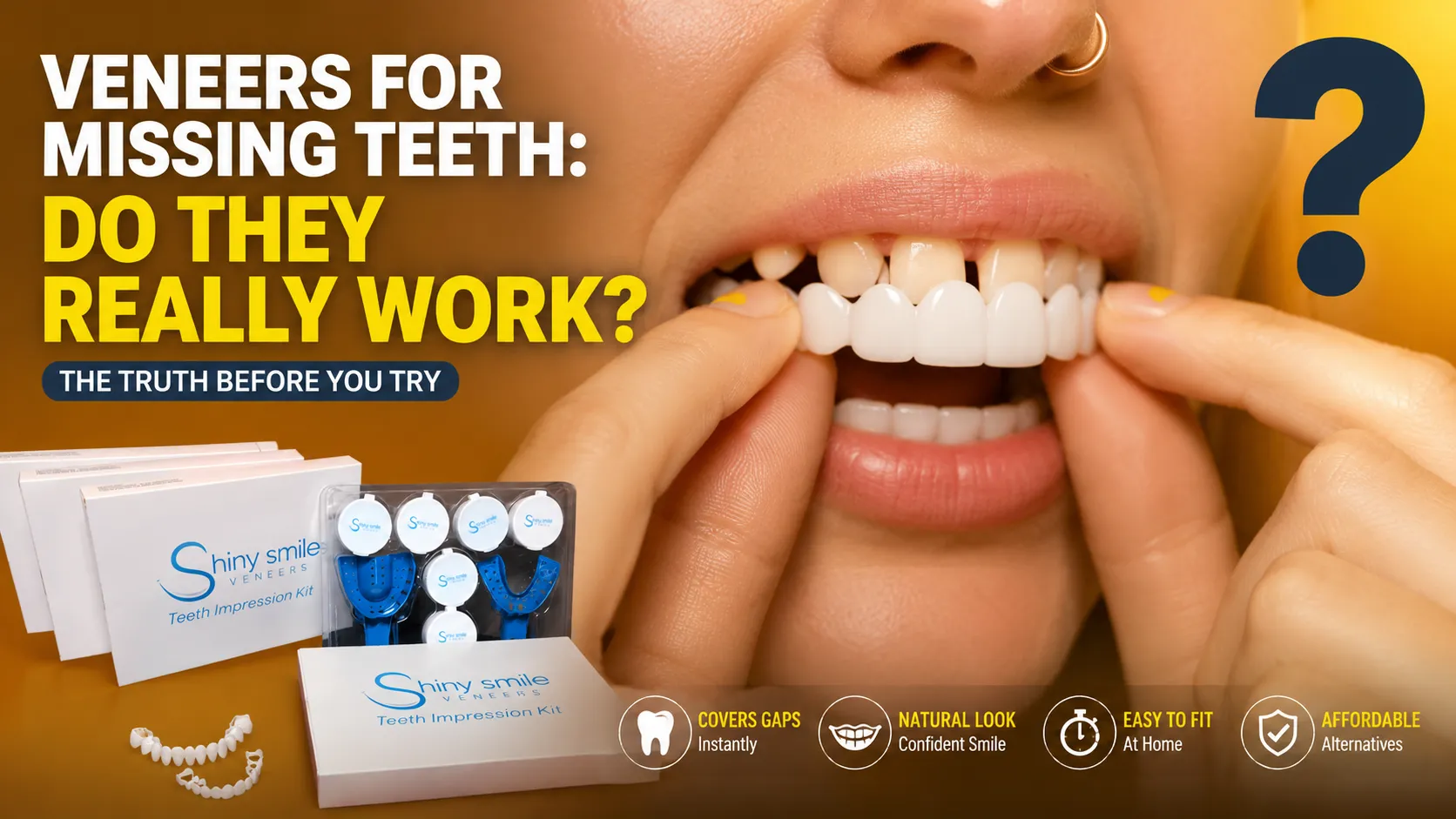
If the veneers vs crowns cost gap feels steep for a purely cosmetic fix, a no-drill snap-on option like Shiny Smile Veneers sits well below traditional porcelain pricing and skips the enamel-removal question entirely, which is worth knowing before committing to a permanent procedure.
Financing plans can also shift the veneers vs crowns cost equation, since many dental offices now offer monthly payment options for both treatments. Ask about total cost over time, not just the sticker price for a single tooth, especially if you are treating more than one front tooth at once.
Veneers vs Crowns Which Last Longer?
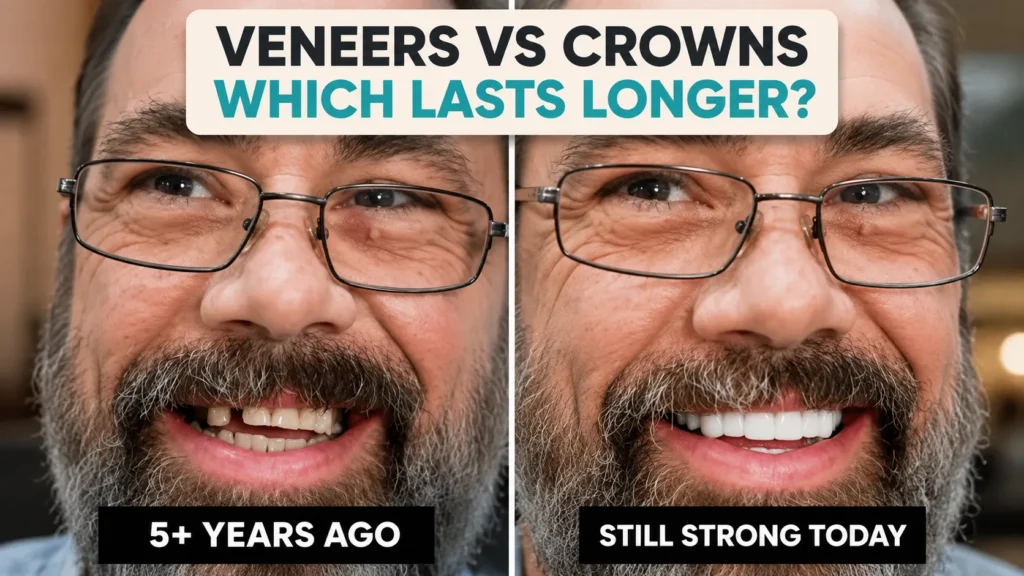
On the veneers vs crowns which last longer question, crowns typically edge out veneers on raw lifespan. Cleveland Clinic notes that crowns generally last between five and fifteen years with proper care, and full coverage helps them absorb everyday biting force better than a thin shell can.
Porcelain veneers tend to last in a comparable but slightly shorter window, and composite veneers wear out faster than porcelain ones. So when people ask veneers vs crowns which last longer, the honest answer is that daily habits matter as much as the material itself.
Grinding your teeth at night, biting ice, or skipping routine cleanings will shorten the lifespan of either option fast, so a nightguard and a normal checkup schedule matter more than most people expect going in.
If longevity is your top priority in the veneers vs crowns which last longer debate, ask your dentist which specific material they recommend for your bite, since a zirconia crown and a composite veneer sit at opposite ends of the durability spectrum.
Which Looks More Natural on Front Teeth?
Porcelain veneers are known for mimicking the way light passes through real enamel, which is why cosmetic dentists lean on them for front-tooth makeovers specifically. Crowns can look natural too, especially all-ceramic ones, but they sometimes read as slightly more opaque up close. In the dental veneers vs crowns comparison for looks alone, veneers usually take the edge for front teeth. Dentists who specialize in smile design often reach for veneers first for this exact reason, reserving crowns for cases where strength has to come before aesthetics.
Veneers vs Crowns On Front Teeth Pros and Cons at a Glance
Skimming for the short version? Here is the veneers vs crowns on front teeth pros and cons breakdown in one place. Veneers: less enamel removed, more natural translucency, lower upfront cost, but they need a healthy tooth underneath and rarely qualify for insurance help.
Crowns: full-tooth protection, longer average lifespan, and better odds of insurance coverage when decay or a root canal is involved, but they cost more per tooth and remove significantly more of your natural structure. Weigh both sides of the veneers vs crowns on front teeth pros and cons list against your actual tooth condition, not just your budget.
Can You Get a Veneer If You Have a Large Filling or Weak Tooth?
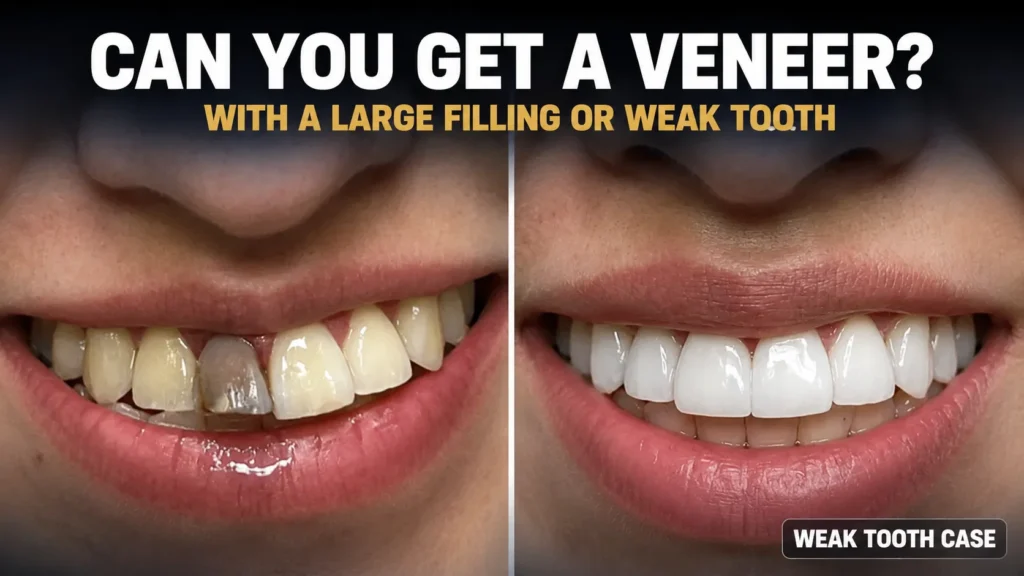
Not always, and this is a key part of the dental veneers vs crowns decision. If a front tooth already has a large filling or significant decay, there may not be enough healthy enamel left for a veneer to bond to securely, and a crown becomes the safer structural choice instead.
A quick dental veneers vs crowns rule of thumb: if more than half the visible tooth structure is compromised, most dentists lean toward a crown for the sake of long-term stability.
What to Expect During the Procedure
Getting Veneers, Step by Step
Your dentist lightly buffs a thin layer of enamel from the front of the tooth, takes an impression, and sends it to a lab. You wear a temporary veneer for a couple of weeks while the permanent one is crafted, then your dentist bonds it in place and checks your bite.
Getting a Crown, Step by Step
The dentist reshapes the entire tooth, takes an impression, and fits a temporary crown while the permanent one is made in a lab. On your second visit, the permanent crown is checked for fit and color match, then cemented securely into place.
Recovery, Sensitivity, and Aftercare
Mild sensitivity to hot and cold is common after either procedure and usually fades within a few days to a couple of weeks. Both restorations need the same basic care: gentle brushing with a soft-bristled brush, daily flossing, and regular checkups every six months.
Avoid chewing ice, hard candy, or popcorn kernels, since both veneers and crowns can chip under enough force. If you grind your teeth at night, ask your dentist about a nightguard, since bruxism is one of the fastest ways to shorten the life of either restoration and skew the veneers vs crowns which last longer conversation in the wrong direction.
Can You Combine Veneers and Crowns in One Smile?
Yes, and dentists do this often. A common approach in the dental veneers vs crowns conversation is using veneers on healthy front teeth for a cosmetic upgrade while reserving crowns for any back teeth or front teeth that need real structural repair, giving you the best of both. This hybrid approach in the dental veneers vs crowns world lets you protect damaged teeth without over-treating the ones that only need a cosmetic touch-up.
Shiny Smile Veneers vs Traditional Crowns: A No-Drill Alternative
Traditional porcelain veneers and crowns both involve permanent enamel removal, which is exactly why an alternative like Shiny Smile Veneers has picked up steam. These are custom, removable snap-on veneers made from your own dental impressions, with no drilling and no dentist chair required.
Compared to a crown, which permanently reshapes a tooth, or even generic snap-on veneers ordered off a template, Shiny Smile builds each set from your actual mouth. That custom fit is a big part of why it looks less like a costume prop and more like a real smile upgrade.
For anyone weighing veneers vs crowns on front teeth mainly for cosmetic reasons, and not because of structural tooth damage, Shiny Smile Veneers is worth a look before committing to a permanent procedure. Our full Shiny Smile Veneers legitimacy review covers materials, pricing, and real customer feedback in detail.
Making the Final Call
There’s no universal winner in veneers vs crowns on front teeth, only a better fit for your specific tooth. Healthy tooth, cosmetic goal: veneers make sense. Cracked, decayed, or root-canaled tooth: a crown is doing structural work a veneer simply cannot do.
Get an X-ray and an honest opinion from a licensed dentist before deciding either way, since a photo online cannot tell you what is happening beneath your gumline. If your main goal is a brighter smile without permanent enamel loss, it is also worth comparing Shiny Smile Veneers against traditional porcelain before you book a consultation.
Frequently Asked Questions
What is the main difference between veneers and crowns on front teeth?
Veneers cover only the front surface of a tooth and remove minimal enamel. Crowns wrap around the entire tooth and require much more tooth reduction to fit.
Which is better for front teeth, veneers or crowns?
Veneers are usually better for healthy teeth needing a cosmetic upgrade. Crowns are better when the tooth is cracked, decayed, or structurally weakened and needs full protection.
Do veneers or crowns require more tooth reduction?
Crowns require significantly more tooth reduction because they cover the entire tooth. Veneers only need a thin layer removed from the front surface.
How long do veneers last compared to crowns?
Crowns typically last longer, often five to fifteen years or more. Porcelain veneers usually last around ten to fifteen years, while composite veneers wear out sooner.
Are veneers or crowns more expensive for front teeth?
Costs vary widely, but crowns often land in a similar or higher price range than veneers per tooth. Insurance is more likely to help cover a crown than a purely cosmetic veneer.
Can you get a veneer on a front tooth with a large filling?
Sometimes, but not always. If too much natural tooth structure is missing, there may not be enough healthy enamel for a veneer to bond to securely.
Do crowns look less natural than veneers on front teeth?
Not necessarily, but veneers often have a slight edge for natural translucency. High-quality all-ceramic crowns can still look very natural on front teeth.
When do you need a crown instead of a veneer?
You need a crown when a tooth is cracked, has had a root canal, or has lost too much structure to support a thin veneer shell safely.
Are veneers or crowns more likely to chip or break?
Veneers can chip since they are thinner shells, while crowns are generally more resistant to fracture because they fully encase the tooth. Grinding raises the risk for both.
Is the procedure for veneers or crowns more painful?
Neither procedure is typically painful since local anesthesia is used during tooth preparation. Some mild sensitivity is common afterward for both options.
Can you switch from a crown to a veneer later on?
Usually not. Once a tooth is prepared for a crown, there is rarely enough enamel left to support a veneer, so a new crown is typically the only option.
Is Shiny Smile Veneers a good alternative to traditional veneers or crowns?
For purely cosmetic goals on healthy teeth, Shiny Smile Veneers offers a custom, removable option without drilling, making it worth comparing before choosing a permanent procedure.
Whichever way you land in the veneers vs crowns on front teeth decision, the smartest first step is the same: get a proper exam before choosing based on price alone. A confident smile is worth doing right the first time.
This article contains affiliate links. If you purchase through our links, we may earn a commission at no extra cost to you. We only recommend products we genuinely believe in. Read our Affiliate Disclaimer for full details.