
Bonded veneers can generally tolerate normal chewing, but sticky or unusually firm gum may place unnecessary stress on veneer margins. Sugar-free gum, moderate chewing, and good cleaning around the gumline are more sensible choices. Removable veneers require separate guidance because some manufacturers recommend removing the appliance before chewing gum or eating.
Table of Contents
We’re pulling facts from the American Dental Association and licensed dental practices, not internet folklore, so you can chew with confidence instead of guesswork.
Quick Answer: Can You Chew Gum With Veneers?
Yes. Porcelain and composite veneers are bonded firmly to your teeth and built to handle normal daily forces, including gentle chewing.
Veneers usually sit on your front teeth, which do far less chewing work than your molars anyway, so gum rarely puts direct pressure on them in the first place.
The real risk isn’t gum itself. It’s the type of gum, how long you chew it, and what you do if a piece gets stuck.
Why This Question Comes Up So Often
Gum chewing is such a normal habit that it’s one of the first things new veneer patients ask their dentist about, right alongside coffee and red wine.
Part of the confusion comes from mixing up veneers with other dental work. Fillings, for instance, can sometimes soften slightly under heat and pull loose with very sticky gum, which is where a lot of the old “never chew gum with dental work” advice originated.
Veneers behave differently. Their porcelain or composite surface is bonded with a stronger, more stable adhesive than an old-style filling, which is part of why dentists are generally relaxed about reasonable gum chewing.
How Veneers Are Built to Handle Everyday Chewing
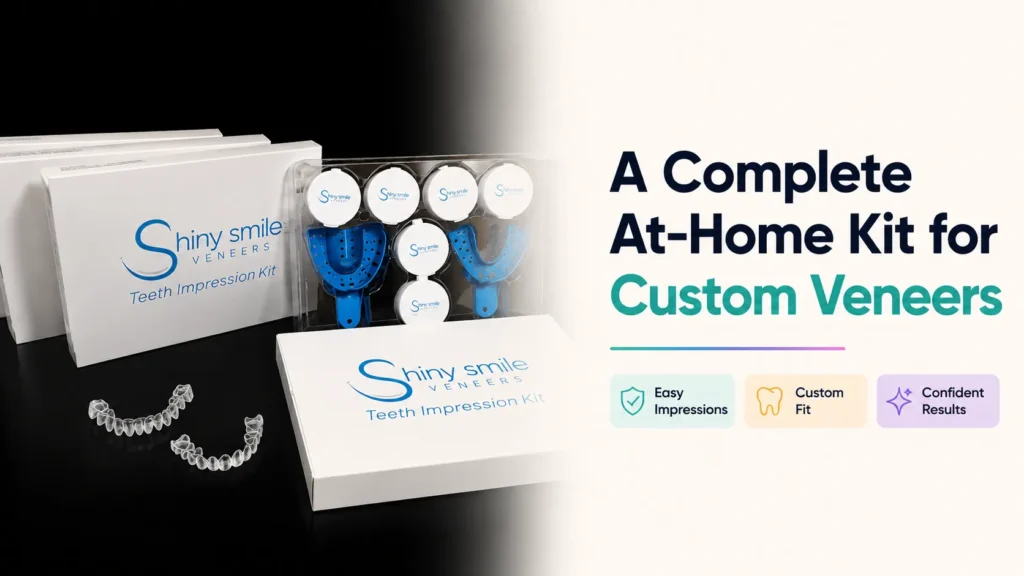
Veneers are thin, custom shells made from porcelain or composite resin, bonded to the front surface of a tooth. According to the Cleveland Clinic, they’re designed for daily use, including normal eating and talking, not just photos.
Dentists rarely place veneers on molars, since those back teeth handle the bulk of chewing pressure. Front teeth, where most veneers live, mainly bite and tear rather than grind.
Chewing Gum with Veneers: What Actually Puts Them at Risk
Chewing gum with veneers becomes a problem only under specific conditions, and knowing them takes most of the guesswork out of your next pack of gum.
Sticky or Extra-Firm Gum
Very sticky or unusually firm gum can tug at the edges of a veneer or its bonding over repeated chewing. Softer, standard chewing gum poses far less risk than taffy-like or bubble gum varieties.
Long, Aggressive Chewing Sessions
An occasional stick of gum is nothing. Hours of continuous, hard chewing is a different story, since it fatigues the jaw and adds repeated stress to any dental work, veneers included.
Gum Stuck at the Gumline
If gum wedges itself near the edge of a veneer, pulling it off with your teeth or a fingernail can catch the margin and chip it. Removing stuck gum the wrong way causes more damage than the chewing ever would.
Best Practices for Chewing Gum with Veneers
- Choose sugar-free gum, ideally one with the ADA Seal of Acceptance
- Chew for about 15 to 20 minutes, not for hours at a stretch
- Chew gently rather than biting down hard on each piece
- Remove stuck gum with floss or your fingers, never by scraping with your teeth
- Keep up with regular brushing and checkups so any early issue gets caught fast
The ADA’s own guidance on chewing gum notes that sugar-free gum chewed for about 20 minutes after meals can actually help oral health by increasing saliva flow, which is a nice bonus if you’re going to chew anyway.
Can You Chew Gum With Veneers in Your Mouth Right After Getting Them?
Timing matters more than most people expect. If you’re wearing temporary veneers while your permanent set is being made, skip gum entirely, since temporaries use weaker, less durable bonding.
Once your permanent veneers are placed, most dentists recommend waiting at least 24 to 48 hours before chewing anything firm, gum included, while the bonding fully sets.
After that initial window, can you chew gum with veneers in your mouth on a normal day? Generally yes, following the same sugar-free, gentle-chewing habits outlined above.
Can You Eat with Veneers? A Broader Look
Chewing gum is really just one small piece of a bigger question: can you eat with veneers normally, or does your whole diet need a rework?
Most foods are perfectly fine. The main things to watch are very hard foods like ice or hard candy, which can chip a veneer’s edge, and extremely sticky foods like caramel, which behave a lot like risky gum.
Our detailed guide on what you can and cannot eat with veneers breaks down specific foods and drinks in more depth if gum was just the tip of the iceberg for you.
Can You Chew Gum with Crowns? How It Compares to Veneers
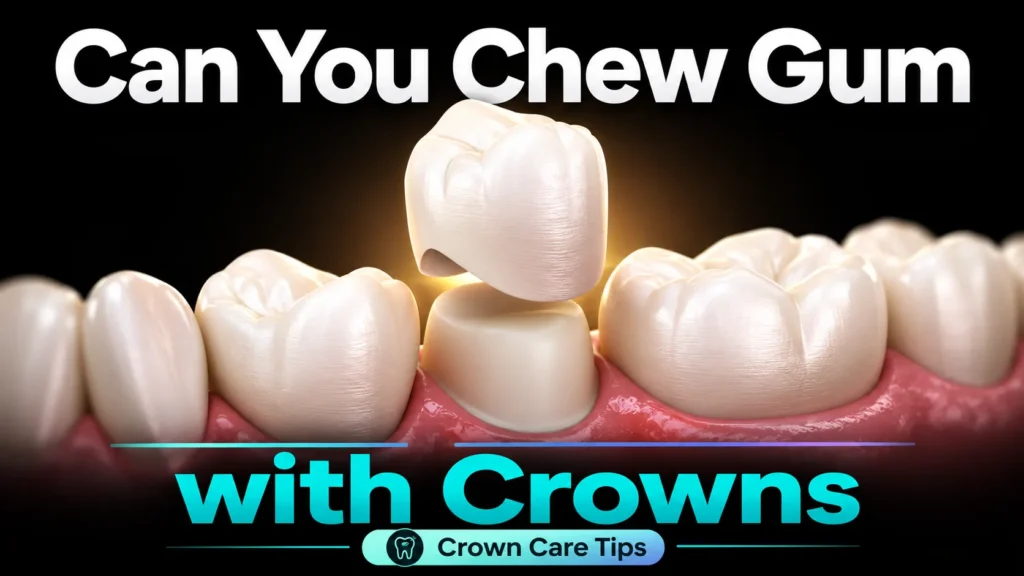
If you have a mix of veneers and crowns, the gum question shifts slightly. Crowns cover the entire tooth rather than just the front surface, which generally makes them more resistant to chipping.
Can you chew gum with crowns the same way as veneers? Largely yes, with the same sticky-gum caution applying, since a crown’s cement bond can loosen under repeated pulling forces just like a veneer’s can.
If you’re still deciding between the two, our comparison of veneers versus crowns on front teeth covers durability differences that go beyond just gum-chewing habits.
What Happens If Gum Damages a Veneer
If a veneer feels loose, chipped, or off after chewing gum, don’t try to fix it yourself with dental cement or super glue from a drawer.
Call your dentist and describe what happened. Most veneer issues from gum are minor bonding problems that a quick office visit resolves, rather than a sign you need a full replacement.
Ignoring a loose veneer is the real risk, since it can let bacteria reach the tooth underneath and cause decay that a simple gum incident never would have caused on its own.
Book the appointment sooner rather than later. A veneer that’s slightly loose today is far easier and cheaper to fix than one that falls off entirely a few weeks from now.
Caring for Veneers Beyond Gum
Gum habits are a small slice of overall veneer care. Daily brushing with a non-abrasive fluoride toothpaste, flossing, and avoiding whitening toothpaste all matter more to long-term durability.
Porcelain veneers with good care typically last 10 to 15 years, and the habits that protect them from gum damage are largely the same ones that protect them from everything else.
What About Removable Veneers and Gum?
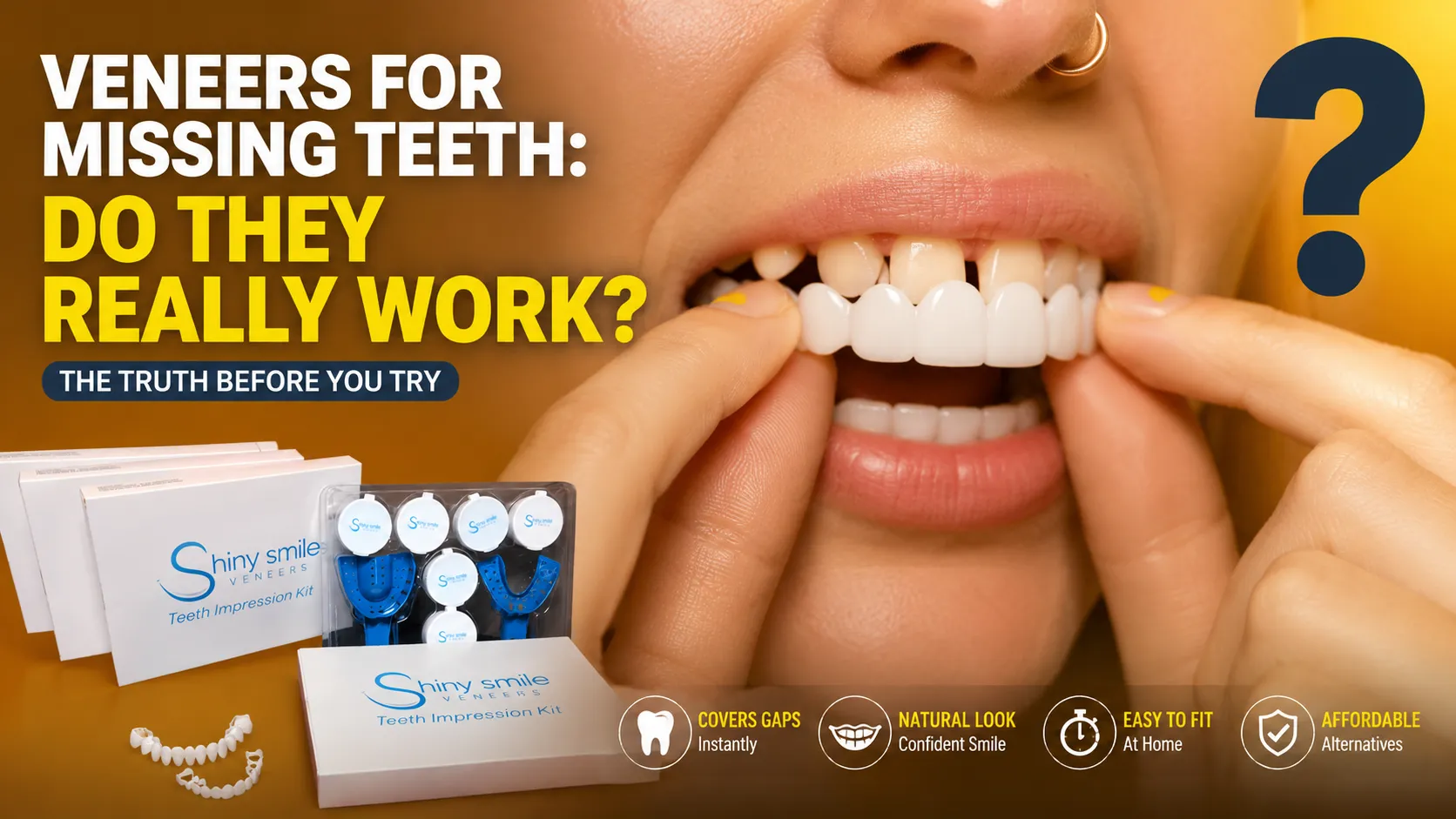
Removable, snap-on veneers are a different situation entirely. Since they aren’t permanently bonded, most brands recommend taking them out before chewing gum, not just chewing it carefully.
Brands like TruSmile and similar snap-on products generally advise against eating or chewing anything sticky while they’re in place, since it can pull the arch loose or trap debris underneath.
If you wear removable veneers, treat gum the same way you’d treat any sticky snack: pop the veneers out first, then chew freely.
Final Verdict: Can You Chew Gum With Veneers?
Yes, chewing gum with veneers is safe for most people most of the time. Sugar-free, gently chewed, and removed the right way, gum is unlikely to cause any real problem.
The exceptions are sticky or hard gum, marathon chewing sessions, and pulling stuck gum off with your teeth. Skip those three habits and your veneers should hold up just fine.
Frequently Asked Questions
Can you chew gum with veneers?
Yes, in most cases. Veneers are bonded firmly and built for daily use. Stick to sugar-free gum, chew gently, and avoid marathon chewing sessions to keep them safe.
What kind of gum is safest for veneers?
Sugar-free gum, ideally one carrying the ADA Seal of Acceptance, is the safest choice. Avoid extra-sticky or very firm gum, which can stress the bonding over time.
Can chewing gum loosen a veneer?
It’s uncommon with normal use, but very sticky gum or aggressive chewing over long periods can occasionally stress the bonding enough to loosen a veneer’s edge.
Can you chew gum with veneers right after getting them placed?
It’s best to wait 24 to 48 hours after permanent veneers are placed so the bonding fully sets, and to avoid gum entirely while wearing temporary veneers.
Can you chew gum with crowns the same way as veneers?
Largely yes. Crowns cover the whole tooth and resist chipping well, but sticky gum can still loosen the cement bond over repeated use, just as with veneers.
What should I do if gum gets stuck on my veneer?
Rinse with warm water, then gently remove it with floss or your fingers. Never scrape it off with your teeth or a sharp object, which can chip the edge.
Can you eat with veneers besides chewing gum?
Yes, most foods are fine. Avoid very hard items like ice, and very sticky foods like caramel, which carry similar risks to chewing the wrong kind of gum.
Does sugar-free gum actually help veneers or teeth?
The ADA notes that sugar-free gum chewed for about 20 minutes after meals can boost saliva flow, which helps rinse away food particles and neutralize acid.
Can you chew gum with removable snap-on veneers in your mouth?
It’s not recommended. Most removable veneer brands advise taking them out before chewing gum or eating sticky foods to avoid loosening the fit.
How long can veneers last if I chew gum regularly?
Gum alone rarely shortens a veneer’s lifespan. With good habits, porcelain veneers typically last 10 to 15 years regardless of occasional, sensible gum chewing.
Final Thoughts
Can you chew gum with veneers without worrying every time you unwrap a piece? For the most part, yes, as long as you keep it sugar-free, gentle, and reasonably brief.
The habits that protect your veneers from gum are the same habits that protect your whole smile: good hygiene, sensible food choices, and calling your dentist the moment something feels off. Treat your veneers like the investment they are, and a stick of gum is one of the smaller things you’ll ever need to worry about.
This article contains affiliate links. If you purchase through our links, we may earn a commission at no extra cost to you. We only recommend products we genuinely believe in. Read our Affiliate Disclaimer for full details.